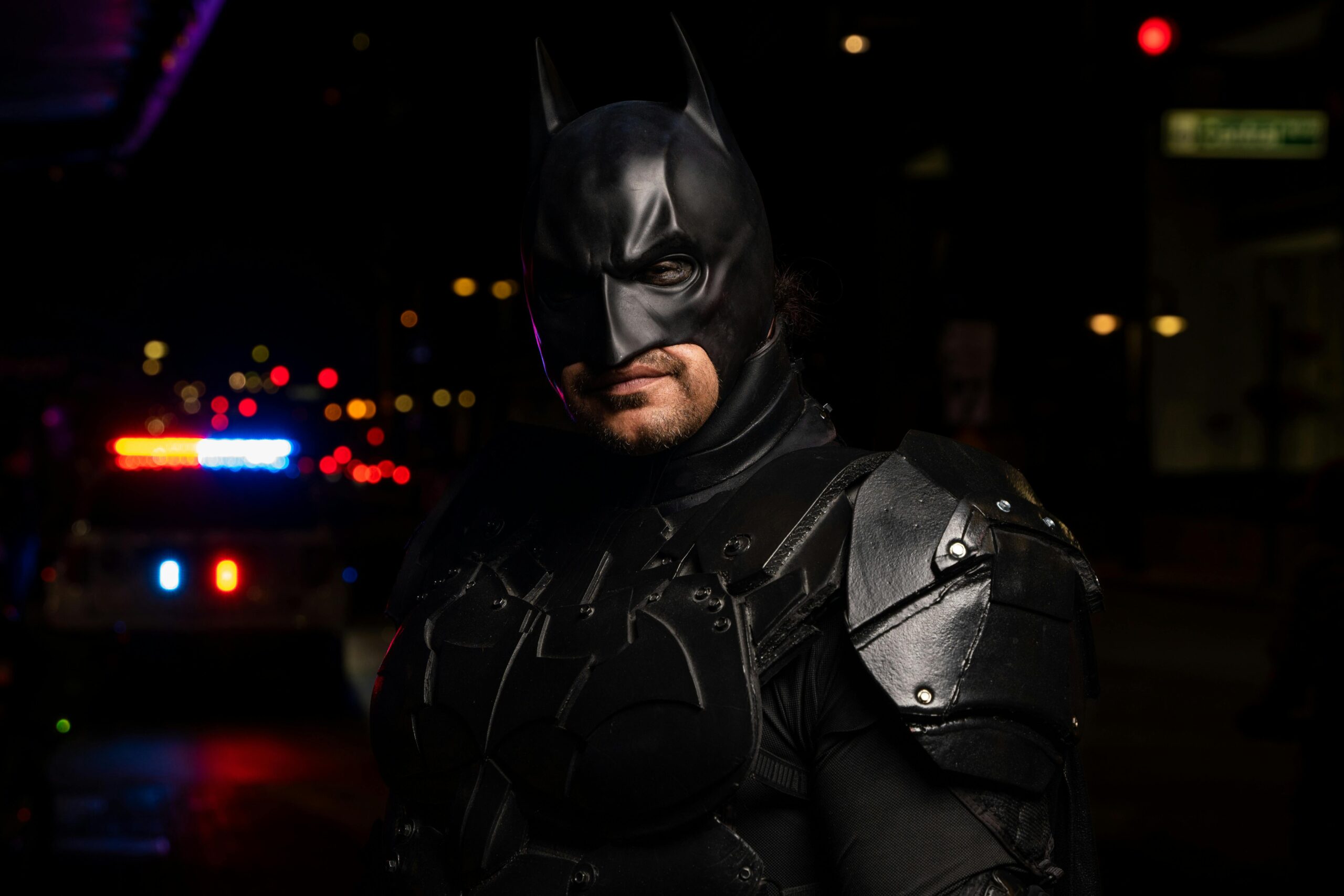
Batman’s struggle against crime in Gotham goes deeper than just hero versus villain. The Dark Knight’s battles show us that bias lives in everyone, shaping how we see others and ourselves, often without us even noticing.
When you watch Bruce Wayne put on the cowl, you’re seeing someone who has to fight his own prejudices and assumptions to protect his city. That’s not easy, and sometimes he stumbles.

The relationship between Batman and his moral code shows how our preconceptions sneak into every decision. Bruce Wayne’s journey from a revenge-driven orphan to Gotham’s guardian started when he finally looked at his own biases.
His villains often mirror those internal struggles. They force him to question what he thinks about justice, right and wrong, and even human nature itself.
Understanding bias through Batman’s story can help you spot these patterns in your own life. Seriously, Gotham’s shadows have lessons that reach into your daily interactions, relationships, and snap judgments.
By watching Batman wrestle with his inner darkness, you pick up ways to recognize and push back against your own biased thinking. Not that it’s simple—but it’s possible.
Key Takeaways
- Batman’s evolution shows that facing your own biases takes humility and honest self-reflection.
- The villains Batman faces often reflect twisted thinking that reveals how bias can warp judgment.
- Overcoming bias demands compassion and a willingness to question your own hidden assumptions.
Understanding Bias Through the Shadows of Gotham
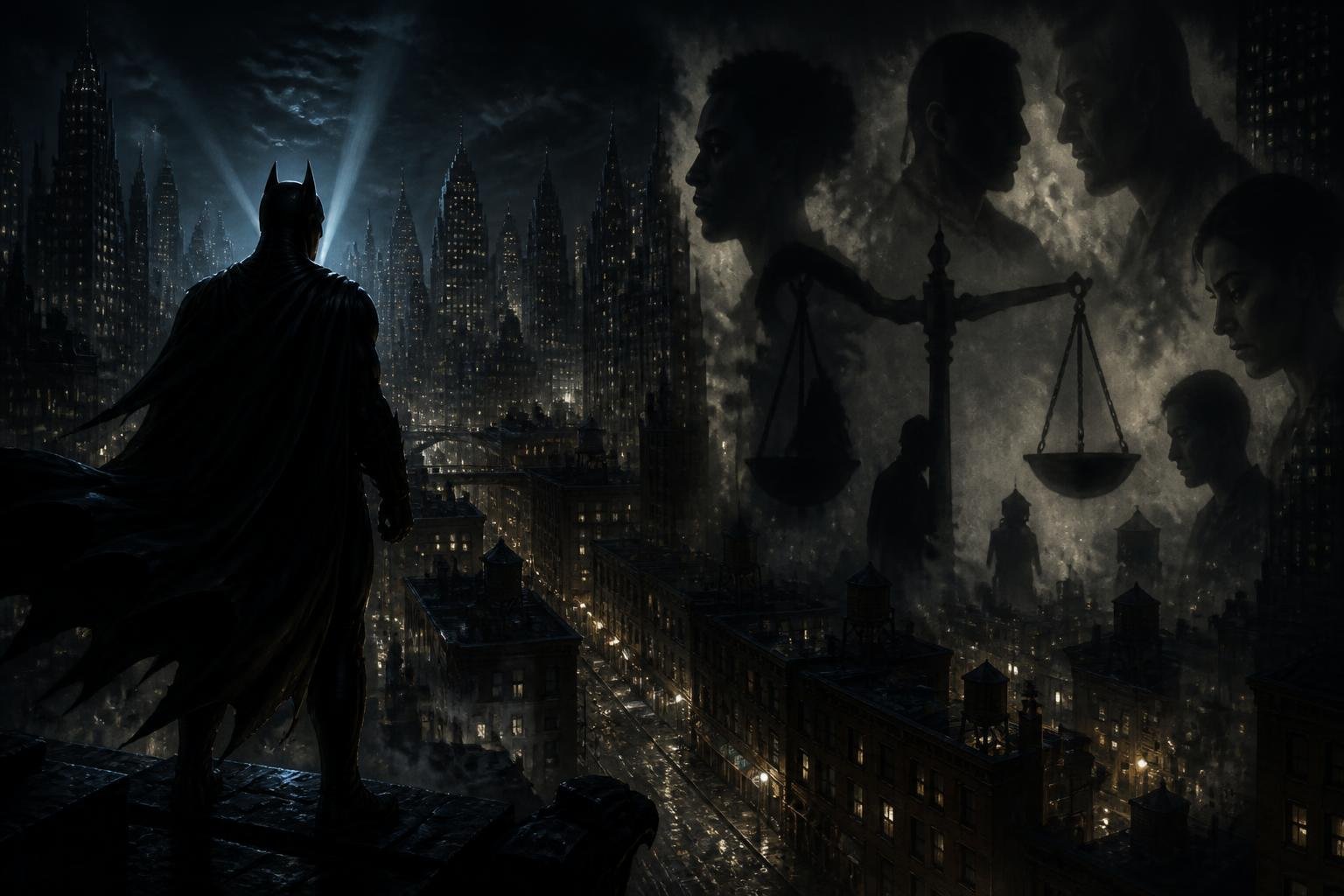
Gotham City lays bare how bias works at both institutional and personal levels. The city’s structures keep unfairness alive, while individual characters show how personal experiences can create blind spots.
Bias in Gotham City’s Institutions
Gotham’s police and government agencies show institutional bias all the time. The wealthy elite like Bruce Wayne get sympathy, while orphans and the poor get ignored or even criminalized.
Matt Reeves’ film explores class warfare and how Gotham’s institutions favor those with money and power. Police officers sometimes work for crime bosses like Carmine Falcone, not the people they’re supposed to protect.
This corruption means justice often depends on your social status, not what’s actually right. The Renewal Fund scandal in the movie shows how bias gets baked into systems—money meant for orphans is stolen by the powerful, and nobody cares because the victims don’t have influence.
It’s not just fiction; real institutions overlook marginalized groups while shielding the privileged. That’s a hard truth, but it’s there.
Personal vs. Collective Bias
Bruce Wayne has his own biases, shaped by wealth and trauma. He thinks his pain as an orphan lets him understand all suffering in Gotham, but Selina Kyle quickly challenges that idea.
Your personal experiences create blind spots. Bruce had Alfred, a mansion, and endless resources, while other orphans froze or got bitten by rats in run-down facilities. He didn’t see that at first.
Collective bias grows when groups share the same prejudices. The Riddler’s followers show this—they latch onto a twisted view of justice and target anyone they see as elite or corrupt, without thinking about individual circumstances.
This kind of group thinking can turn personal biases into something much more dangerous.
How Perception Shapes Reality
Batman operates as a symbol open to interpretation. Some see him as a protector, others as a threat. The Riddler thinks Batman is an ally in vengeance, totally missing the point.
Your view of Batman depends on your spot in Gotham. Police see a lawbreaker. Criminals see a nightmare or even a role model. Citizens he rescues see hope.
Everyone projects their own fears and expectations onto him. The “I am vengeance” moment shows how dangerous this can get—Batman realizes some criminals take his actions as permission for violence.
He has to admit his focus on vengeance sent the wrong message. Sometimes, it’s not what you intend but how others interpret you that matters most.
Bruce Wayne’s Journey: Humility and Self-Awareness
Batman’s real strength isn’t just his training or gadgets. It’s his willingness to admit what he doesn’t know. Bruce Wayne’s transformation into the Dark Knight started when he accepted his own limits and learned from failure.
Admitting the Limits of Knowledge
You see Bruce at his most vulnerable when he admits he can’t do it all alone. After his parents’ murder, young Bruce thought anger and money were enough to fight crime. He learned the hard way that they weren’t.
Bruce Wayne’s global training journey taught him he had a lot to learn—martial arts, detective work, psychology. He sought out masters because he knew he didn’t have all the answers.
With the cowl on, he faces threats that don’t fit neat categories. Batman often finds his first assumptions are wrong and has to change course based on new evidence.
This “I don’t know” attitude sets Batman apart from criminals who think they know everything. Bias gets stronger when you refuse to question yourself.
The Value of Epistemic Humility
Epistemic humility is just knowing you might be wrong. Batman shows this every time he works a case without jumping to conclusions.
His internal battle between Bruce Wayne and Batman means he questions even his own identity. He doesn’t assume his first impression is always right.
You can use this approach too. Batman gathers evidence, considers other explanations, and stays open to being proven wrong. He treats his own theories as guesses, not facts.
How Batman practices epistemic humility:
- He consults with allies like Alfred and Commissioner Gordon.
- He researches before acting.
- He changes his mind when new facts appear.
- He accepts that some mysteries just don’t have answers.
Mistakes and Growth in Batman’s Story
Batman’s psychological journey means facing guilt, anger, and trauma from his mistakes. Every failure is a lesson, not a reason to quit.
You see Batman grow through his failures. Early on, he relied too much on fear and violence, but over time he realized fear alone can’t fix Gotham.
His biggest growth comes from seeing when his own biases cloud his judgment. Batman has suspected innocent people and trusted the wrong allies. Each mistake forces him to rethink his process.
The cowl is his promise to keep improving. Batman doesn’t act perfect—he just tries to do better every time he gets it wrong.
The Shadow Within: Jungian Psychology and Self-Bias
Batman’s transformation from Bruce Wayne shows how we build identity around unconscious biases against parts of ourselves. The bat-suited vigilante is almost a textbook case of Carl Jung’s Shadow—suppressing darker impulses just creates more inner conflict.
Confronting the Dark Parts of the Self
Your Shadow is made of the traits you won’t admit you have. When Bruce Wayne saw his parents murdered, he didn’t just get traumatized—he developed a bias against his own rage and desire for vengeance.
Jung said your shadow holds the wrathful, predatory, and violent bits you’d rather not own. Batman channels his anger at criminals instead of facing it inside himself. His mask scares others, but it’s really just showing what he fears in himself.
The Batman persona is the physical version of everything Bruce tries to hide. Director Matt Reeves talked about Jung’s idea of “confronting the beast of duality” in his film. It’s not just good versus evil—it’s who you think you are versus who you really are.
Integration Versus Suppression
Jungian theory says you need to recognize and accept your Shadow, not just give in or pretend it’s not there. Batman struggles with this—he builds a whole disguise to keep his darkness away from his public self.
Integration vs. suppression looks like this:
- Integration: You admit violent impulses exist, but choose not to act on them.
- Suppression: You pretend those impulses only belong to the bad guys.
- Integration: You see your anger has roots in real trauma.
- Suppression: You turn anger into a separate identity that only comes out at night.
You get fragmented when you deny parts of yourself. Jung warned that ignoring the shadow splits you up, not just as a person but as a society. Sometimes, Bruce Wayne ends up just being a “daytime mask for The Batman.”
Bias, Fear, and the Birth of Batman
Your biases about yourself shape how you see the world. Bruce Wayne’s bias against his own darkness leads him to see Gotham in black and white—people are either innocent or irredeemable.
This all-or-nothing thinking comes from childhood trauma. When his mother’s pearls hit the pavement, young Bruce decided evil was something outside of himself. He never stopped to think his need for control and his violence might come from the same darkness he fights.
Batman and the Joker are opposites—order and chaos—but that fight happens inside one person. Your fear of becoming what you hate can make you rigid and unable to grow. Bruce chose to become a “bat-creature” not because bats mean justice, but because bats were his childhood fear.
If you build your identity around rejecting parts of yourself, you’ll always be at war inside. Batman can’t wipe out crime in Gotham because he can’t wipe out the parts of himself that understand it.
Villains as Reflections: The Joker, Two-Face, and Cognitive Distortion
Batman’s enemies show how bias shapes our thoughts and actions. The Joker and Two-Face each show a different kind of cognitive distortion that can grow out of trauma, injustice, and moral messiness.
The Joker and Chaos as a Response to Bias
The Joker stands for an extreme reaction to unfairness in society. Heath Ledger’s Joker in The Dark Knight dives into anarchy through wild, violent behavior.
His actions show all-or-nothing thinking—a common cognitive distortion. When you face bias or injustice, it can feel like everything is broken.
The Joker takes that feeling to the limit, tossing out all social structures in Gotham. He creates chaos just to prove that, under pressure, people will ditch their morals.
He acts as if flaws in society mean nothing has value at all. You see this pattern in people who experience trauma or discrimination and decide every institution is corrupt.
The Joker’s worldview leaves no room for nuance. He pushes others into binary choices to confirm his own warped perspective.
Two-Face and Moral Ambiguity
Two-Face brings a different kind of cognitive distortion—he sticks to rigid, black-and-white thinking. He exists in the gray area between Batman and the Joker, refusing to see people as purely good or evil.
Harvey Dent, before his transformation, believed the legal system could deliver absolute justice. When that system failed him, he couldn’t handle the contradiction.
Instead of seeing that good systems sometimes have bad outcomes, he let a coin make all his decisions. This is how bias can make you swing wildly from one extreme to another.
If reality doesn’t match your expectations, you might just toss out your principles instead of adjusting them. Two-Face’s scars and coin flips show his struggle with this internal conflict.
Learning from Batman’s Nemeses
Batman’s villains mirror different parts of his personality—and what he could become. You can spot your own cognitive distortions by looking at these characters.
Common distortions in Batman’s rogues gallery:
- Catastrophizing: Expecting the worst (Joker’s belief that everyone is one bad day from madness)
- Dichotomous thinking: Seeing things as all good or all bad (Two-Face’s coin flips)
- Overgeneralization: Turning one negative event into a universal rule (villains projecting personal trauma onto all of society)
The shadow includes the parts of yourself you don’t want to see. Joker, Two-Face, and Scarecrow are splinters of that shadow, each showing fears or conflicts people try to hide.
When you recognize these patterns in villains, you get better at spotting them in your own thinking about bias and fairness.
Bias, Judgement, and Relationships in the Batman Saga
Batman’s relationships show how bias shapes his decisions and narrows his understanding of others. His assumptions about friends and foes spark conflict, but moments of compassion help him see beyond his first impressions.
Assumptions and Miscommunications
Bruce Wayne’s privilege often blinds him to the real roots of crime in Gotham. The 2022 film points out how Batman’s billionaire status keeps him from grasping the structural issues that breed criminals.
He often gets it wrong about who counts as a threat. Batman sees crime as a personal choice, not a result of circumstance.
This bias makes him overlook the organized corruption in Gotham until others force him to notice. When Riddler says, “anyone with that much money is not an orphan,” Batman gets a direct challenge to his self-image.
The villain makes him face his class privilege. Batman has been fighting street-level crooks while the real power players hide in plain sight.
Trust and Motive Misattributions
Watching Batman’s relationships, you notice how he misreads the motives of both allies and enemies. He struggles to tell justice from revenge—even in himself.
He doesn’t see at first that Selina Kyle and he share similar backgrounds, but their paths split because of class. His bias pushes him to sort people into good or evil, missing the messy middle where most of us actually live.
Batman’s naive worldview comes from never living in Gotham’s lower rungs. He needs help from those he once saw as criminals to see the city’s bigger problems.
His bias about who earns trust holds him back until he learns to look past first impressions.
Alfred, Allies, and the Role of Compassion
Batman’s psychology reveals gaps in judgment, especially with those closest to him. Alfred acts as his anchor, pushing Bruce to question his assumptions and emotional distance.
Compassion becomes Batman’s tool for moving past bias. When he meets a young boy at a crime scene—one who reminds him of his own childhood trauma—Batman starts to see how circumstances shape people.
He shifts from just raging at criminals to feeling empathy for victims. Key relationships that challenge Batman’s bias:
- Alfred: Questions Bruce’s actions and prompts reflection
- Commissioner Gordon: Stands for working with institutions instead of going it alone
- Catwoman: Shows how similar starts can lead to wildly different lives depending on resources
Through these relationships, Batman learns vengeance isn’t the same as justice. Compassion lets him see the humanity in others, not just their mistakes.
Lessons in Overcoming Bias: Compassion, Humility, and Hope
Batman’s growth shows how compassion and humility can crack through rigid thinking. His shift from vengeance to hope proves that overcoming bias means looking beyond your gut reactions and choosing to help others.
Putting Others First
At first, Batman focuses only on punishing criminals. He sees Gotham as black or white—good or evil.
This bias blinds him to the tangled social issues behind crime. When the flood hits, Batman has to change gears. He helps civilians escape, carries the wounded, and guides people to safety.
He stops hunting suspects and starts protecting his city. This shift lines up with research about intellectual humility. By putting others first, Batman learns to spot his own biases. Gotham needs a protector, not an avenger.
The Power of Compassion and Ethical Leadership
The Dark Knight discovers that real leadership comes from compassion, not fear. His old ways scare both criminals and innocent people, making Gotham more divided.
When Batman chooses mercy, he sets a new example. He starts to see that people often make bad choices because of tough circumstances.
This doesn’t excuse crime, but it adds context. Compassionate leadership means:
- Listening to other perspectives
- Admitting your own limits
- Changing your approach when you learn something new
Batman questions his own methods, showing that humility fuels better decision-making. His journey proves that ethical leadership means always re-examining your assumptions.
Hope and Resilience Amidst Darkness
In the end, Batman realizes Gotham needs hope more than vengeance. He decides to become a symbol of possibility, not just fear.
The city’s recovery depends on people believing things can get better. You can’t build that future with punishment alone.
Batman learns to inspire instead of intimidate. His resilience shows that overcoming bias isn’t a one-time choice. It’s a process—one that takes self-reflection and a willingness to change course.
He keeps his mission to protect Gotham, but he reinvents what that protection means.
Frequently Asked Questions
Batman forces us to look at how trauma shapes perception, how wealth affects our approach to social problems, and how the line between justice and revenge blurs when bias takes over.
How does Batman’s decision-making reveal common cognitive biases?
Batman falls into confirmation bias. He sees Gotham as hopelessly corrupt and only notices what backs up his violent approach.
His trauma from losing his parents locks him into a fixed mindset about criminals. You can see how this pain clouds his judgment about who deserves punishment and what actions are justified.
He also shows availability bias. Since he sees violent crime up close, he thinks it’s everywhere and ignores deeper social problems. Instead of tackling poverty or education, he pours money into gadgets—his personal experiences skew his sense of what Gotham really needs.
What lessons about justice and fairness can be drawn from Batman’s actions?
Batman’s brand of justice warns us about the risks of punitive thinking. Beating up criminals and tossing them in prison doesn’t solve why crime happens in the first place.
Privilege shapes our ideas of justice. Bruce Wayne has the money and power to act outside the law without paying the price. That shows how bias can protect some people while punishing others for the same things.
Batman’s vigilante style means his idea of fairness often clashes with real justice. He decides who gets punished based on his own code, not on the law or democracy. Studies show that harsh, punitive approaches like his lead to high rates of people returning to prison—71% within five years across 34 U.S. states.
Which Batman quotes best illustrate the tension between vengeance and justice?
The 2022 film digs into how Batman sees himself as vengeance, not hope. Early on, he’s all about punishing the guilty—helping the community comes second.
The movie makes the difference between vengeance and justice clear when Riddler forces Batman to rethink his ways. Vengeance is personal and reactive; justice asks you to consider the bigger picture.
Other characters challenge Batman’s philosophy. When Catwoman watches him beat a defenseless criminal, her shock says it all—violence in the name of justice can cross a moral line. By the end, Batman understands he needs to inspire, not just punish.
How does Gotham’s portrayal in the 2022 film highlight systemic bias and inequality?
The 2022 film paints Gotham as a city where corruption infects every institution. The rich and powerful keep their status while regular people suffer.
Batman wakes up to the city’s systemic problems when he realizes fighting individual criminals won’t fix the bigger patterns. The leadership is rotten, but Batman’s fists can’t change that.
Bruce Wayne’s privilege keeps him from seeing the real causes. He could use his fortune for social programs or reform, but instead, he builds fancy vehicles and weapons. It’s a classic case of treating symptoms, not causes.
What is the central message about power, fear, and accountability in Batman stories?
Batman shows what happens when power goes unchecked and nobody holds it accountable. He hides behind a mask, dodging the consequences of his actions and raising questions about who really gets to define justice.
He seems to live by the idea that “might equals right.” Here’s a wealthy guy who decides his personal sense of morality outweighs democratic institutions or the law.
Fear is Batman’s main weapon. The films almost never ask if scaring criminals actually stops crime.
His violent vision of criminal justice just assumes punishment and intimidation do more than tackling social issues. That’s a pretty common bias in how people think about fighting crime.
Batman operates without oversight, using his power and privilege to stay above the law. He breaks rules all the time, yet claims to stand for justice—calling out the double standards baked into real legal systems.
Why do discussions on Reddit often focus on bias themes when analyzing Batman?
Online communities spot contradictions in Batman’s character. People talk about how a billionaire vigilante just doesn’t fit the heroic image the movies push.
Modern audiences wonder why Batman doesn’t use his wealth in other ways. Debates pop up about whether spending millions on gadgets makes sense, especially when that money could fight the poverty behind a lot of crime.
The political commentary in Batman films sparks a lot of discussion. It hits on real arguments about criminal justice reform and whether Batman’s approach does more harm than good.
Reddit users often highlight the privilege in Batman stories. They point out that only someone wildly rich would think suiting up and fighting crime is a better idea than actually changing the system.