
Risk shapes every decision people make. Yet most of us struggle to judge threats accurately.
Research shows that 80% of organizations experience a significant disconnect between their risk perception and the actual threats they face. This leads to poor choices and wasted resources.
This gap between what people think is dangerous and what actually poses harm affects everything from personal safety to business strategy.
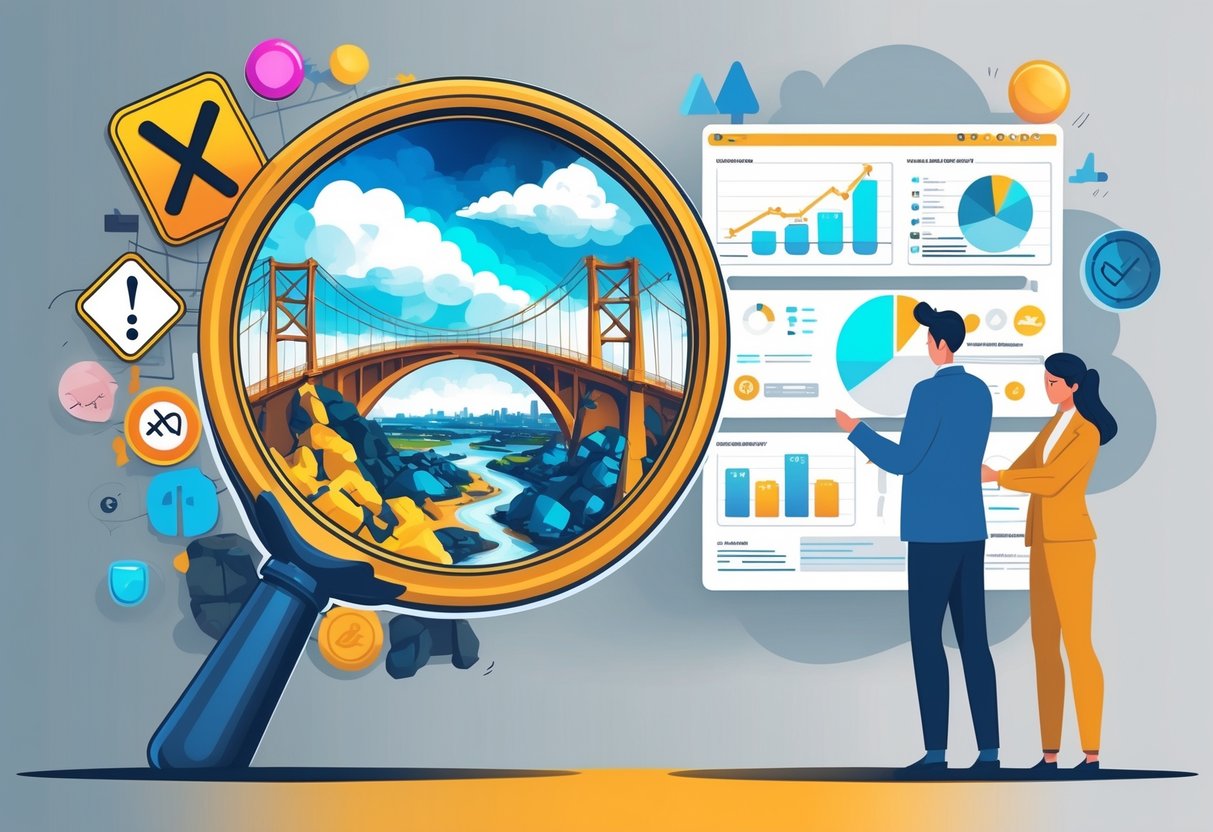
The human brain processes risk through emotions and past experiences, not just facts or data. Fear of flying keeps many people off airplanes, even though driving is far more dangerous.
Meanwhile, gradual threats like climate change or cybersecurity vulnerabilities often get ignored. They just don’t have the immediate emotional punch that grabs our attention.
Understanding how risk perception differs from reality helps people make smarter decisions in all areas of life. When you learn to spot your mental shortcuts and biases, you can better evaluate real dangers and opportunities.
This skill matters even more in high-stakes situations like investing, career moves, or health decisions.
Key Takeaways
- Most people judge risk based on emotions and experience, not actual data and facts.
- The gap between perceived and real risk leads to poor decision-making in both personal and business situations.
- Learning to think critically about risk helps people make better choices in investing, safety, and life planning.
Defining Risk: Perception Versus Reality
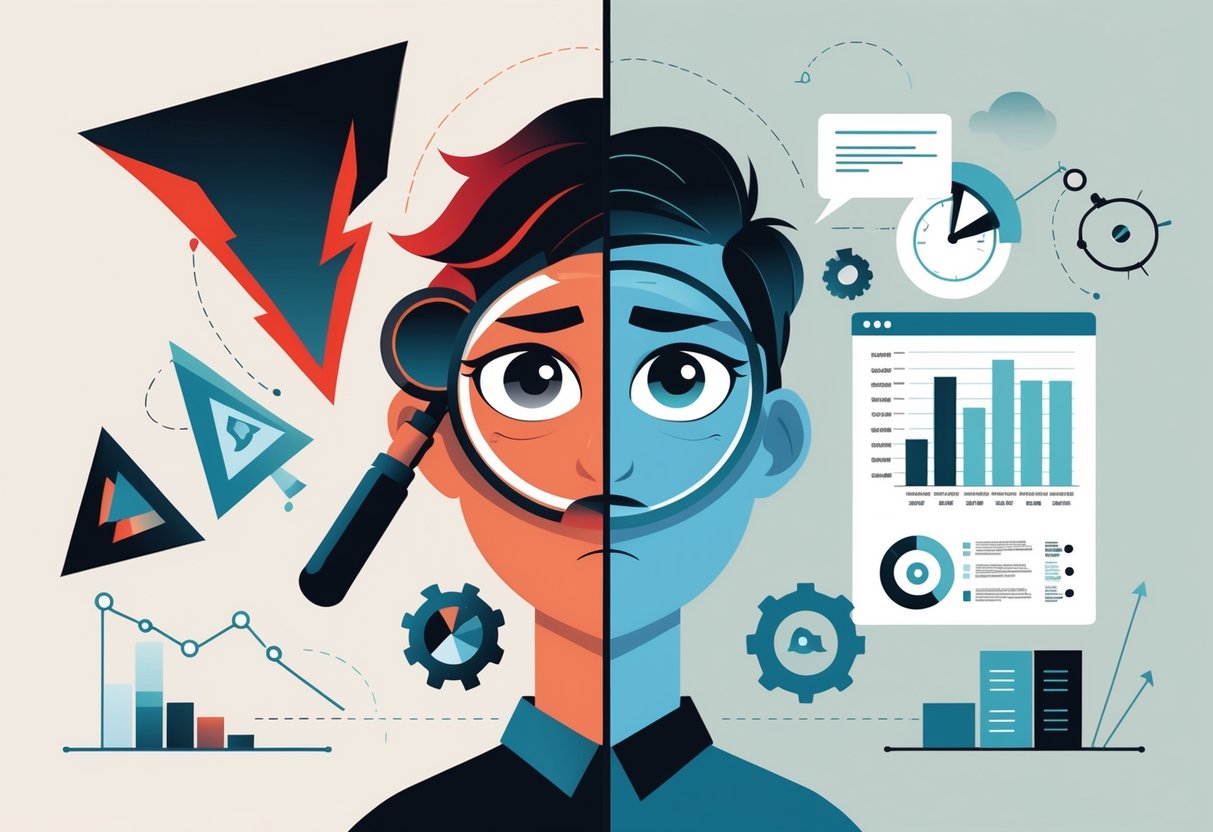
Risk exists in two forms: what people believe threatens them, and what actually poses danger. The gap between risk perception and reality creates problems for individuals and organizations trying to make smart decisions.
Core Concepts of Risk and Actual Risk
Actual risk is the real likelihood and impact of potential threats. It relies on data, facts, and measurable evidence.
Scientists and analysts calculate actual risk using statistics and research. Risk perception works differently.
It shows how people feel about dangers based on their emotions and experiences. Personal beliefs often shape these feelings more than facts do.
Actual risk is objective, determined by factual analysis and empirical evidence. Weather data shows the real chance of floods in an area.
Crime statistics reveal actual safety levels in neighborhoods. Risk perception stays subjective.
Someone who experienced a car accident may fear driving more than accident data suggests they should. News stories about rare events can make people worry about unlikely threats.
These two types of risk rarely match perfectly. People often worry about small dangers while ignoring bigger ones.
Flying feels scary to many people, but driving poses higher actual risk.
Distinguishing Risk Perception from Real Threats
Several factors create gaps between perceived and actual threats. Emotions play a major role in how people judge danger.
Fear makes small risks seem huge. Media coverage affects risk perception significantly.
Stories about plane crashes get more attention than car accidents. This coverage makes flying seem more dangerous than it actually is.
Personal experience shapes individual risk views. Someone who knows a crime victim may overestimate neighborhood danger.
People who never faced certain problems may underestimate those risks. Perception of risk is subjective, influenced by individual experiences, emotions, and biases.
These influences create predictable patterns in how people judge threats. Familiarity affects risk judgment.
People fear new or unknown dangers more than familiar ones. They may worry about terrorism while ignoring heart disease risks from poor diet.
Organizations face similar perception problems. 80% of organizations have a significant disconnect between their risk perception and the actual threats they face.
Leaders may focus on dramatic but unlikely events while missing everyday operational risks.
The Psychology Behind Risk Perception

Understanding the psychology behind risk perception reveals how mental shortcuts, emotions, and social influences shape how people view threats.
The brain’s survival mechanisms often override logical thinking when we face uncertain situations.
Cognitive Processes Influencing Risk Perception
The brain uses mental shortcuts called heuristics to process risks quickly. These shortcuts helped early humans survive dangerous situations.
Our ancestors relied on the amygdala to bypass cognitive processes and respond immediately to threats.
Today, people still let this reactive mode override careful thinking. Heuristics create problems when they lead to wrong conclusions.
Instead of following logical steps, people jump directly from problem to solution. This works well when the situation matches past experience.
However, skipping important information can lead to completely wrong decisions. The brain prioritizes speed over accuracy in risk assessment.
Time factors heavily influence cognitive processing of risks. Recent events feel more important than older ones.
People struggle to maintain accurate long-term risk perspectives. Memory fades quickly, making yesterday’s news seem more critical than last year’s data.
This creates distorted views of actual threat levels.
Emotional and Social Factors
Emotions play a major role in how people perceive risks. Most risk perception comes from fast intuitive feelings rather than careful thinking.
Fear and dread create stronger risk perceptions than statistics. People react more strongly to risks that seem scary or uncontrollable.
A plane crash feels more dangerous than car accidents, even though driving is statistically riskier. Personal experience shapes emotional responses to risk.
Direct exposure to a threat makes it feel more real and likely to happen again. Social influences affect individual risk perception.
Trust in information sources like government, industry, and scientists impacts how people view risks. Low trust leads to higher perceived risk levels.
Media coverage amplifies certain risks while downplaying others. Dramatic stories get more attention than everyday dangers.
Biases and Misjudgments
Several biases impact how people identify, analyze and evaluate risks. These mental errors occur automatically and affect decision-making.
Key biases include:
- Anchoring bias – The first piece of information heavily influences all following judgments
- Availability bias – Recent or dramatic events seem more likely to happen
- Confirmation bias – People seek information that supports their existing beliefs
- Conservatism bias – New information gets ignored in favor of old knowledge
Control affects risk perception significantly. People underestimate risks when they feel in control of the situation.
Drivers feel safer than airplane passengers, despite traffic being more dangerous. Benefits influence risk assessment.
When potential rewards are high, people often discount the likelihood of negative outcomes. The bigger the possible gain, the smaller the risk seems.
This explains why many business deals fail when expected benefits never appear. People focus too much on upsides and ignore warning signs.
The Gap Between Perceived and Actual Risk
Risk perception often differs dramatically from actual risk, creating dangerous blind spots in decision-making.
This disconnect leads people to worry about unlikely threats while ignoring more probable dangers that could cause significant harm.
Common Scenarios Highlighting the Gap
Airplane crashes create intense media coverage and public fear. Yet driving remains far more dangerous per mile traveled.
People avoid flying while engaging in riskier daily activities without concern. Shark attacks capture headlines and beach-goers’ attention.
However, lightning strikes kill more people annually than sharks. The dramatic nature of shark attacks makes them seem more threatening than they actually are.
Many individuals fear nuclear power plants due to high-profile accidents like Chernobyl. Coal-fired power plants cause thousands more deaths through air pollution each year.
The invisible nature of pollution makes it less frightening than nuclear radiation. Parents often worry about stranger danger and child abductions.
Most child abuse cases involve family members or known individuals. The fear of strangers leads to overprotective behaviors while missing real risks at home.
Cancer from cell phone radiation concerns many users. Smoking tobacco remains a much greater cancer risk.
The newness of cell phone technology creates more anxiety than well-established hazards.
Consequences of Misaligned Perceptions
Misaligned perceptions lead to poor resource allocation in both personal and organizational settings. Organizations with significant disconnects between risk perception and actual threats make ineffective strategic decisions.
Individual health suffers when people focus on minor risks while ignoring major ones. Someone might avoid perfectly safe activities while continuing genuinely harmful behaviors like smoking or excessive drinking.
Business investments flow toward addressing perceived rather than actual threats. Companies spend millions on security theater while leaving real vulnerabilities unprotected.
Emergency preparedness efforts focus on dramatic but unlikely scenarios. Communities prepare extensively for terrorist attacks while neglecting flood defenses or earthquake retrofitting that would save more lives.
Risk management strategies become less effective when they address fears rather than facts.
Resources get wasted on low-probability events while high-probability risks receive insufficient attention. Mental health impacts emerge from constant worry about unlikely dangers.
Anxiety disorders can develop when perceived risks far exceed actual risks in daily life.
Bridging the Gap: Aligning Perception with Reality
Organizations can close the disconnect between perceived and actual risks through systematic assessment methods and targeted awareness programs. These approaches help decision-makers make better choices based on facts rather than assumptions.
Effective Risk Assessment Techniques
Regular risk assessments really form the bedrock of accurate risk perception. Companies should run these evaluations every six months or whenever big changes hit their operations.
Data-driven analysis gives the most reliable results. Risk managers gather info from all over—incident reports, industry studies, expert opinions.
This approach helps cut down on personal bias. It’s just more objective.
Organizations get a lot from using standardized frameworks like ISO 31000 or COSO. These systems lay out clear steps for identifying and analyzing risks across departments.
External expertise brings a fresh set of eyes to the table. Independent consultants often notice blind spots that internal teams, maybe out of habit, just don’t see.
Testing scenarios through simulations can expose gaps between what you expect and what actually happens. Crisis management exercises help decision-makers grasp real risks and their potential impact on operations.
Documenting assessment results gives teams a reference for next time. It lets them track changes in risk levels and spot patterns that might otherwise slip by.
Strategies for Improving Risk Awareness
Training programs need to reach everyone, not just managers. Regular awareness sessions help employees understand current threats and how to respond.
Clear communication channels matter a lot. Risk teams should use emails, meetings, dashboards—whatever works—to spread updates fast.
When leadership gets involved, it sends a message. If executives join risk discussions, employees tend to pay more attention.
| Awareness Strategy | Frequency | Target Audience |
|---|---|---|
| All-hands briefings | Monthly | All employees |
| Executive risk reviews | Quarterly | Senior leadership |
| Department-specific training | Bi-annually | Relevant teams |
Feedback systems let employees report risks they notice. Anonymous reporting makes it easier for people to speak up without worrying about backlash.
Metrics and monitoring track how risk awareness improves. Organizations can measure things like response times and accuracy of risk reports to see if their programs actually work.
Cross-department collaboration breaks down silos. When teams share what they’re seeing, the organization gets a clearer picture of threats overall.
Risk and Decision Making in Investment and the Stock Market
Stock market players are always pulled between speculation and long-term investing. Psychological factors—some obvious, some sneaky—create gaps between actual financial risks and how investors think about them.
Risk perception shapes investment behavior through emotions and thought processes that sometimes steer people into bad decisions.
Stock Market Speculation Versus Investment
Speculation is all about short-term trading and chasing price swings. Speculators look for quick wins from volatility, not company fundamentals.
Key characteristics of speculation:
- High-frequency trading
- Heavy focus on technical analysis
- Short holding periods
- Higher transaction costs
Investment, on the other hand, takes a long-term view. Investors dig into financial statements, industry trends, and the bigger economic picture.
Investment fundamentals include:
- Dividend yields and earnings growth
- Price-to-earnings ratios
- Market position and competitive edge
- Management quality
Blue-chip stocks help reduce risk for investors. These established companies offer stability compared to those risky penny stocks.
The time horizon really separates the two. Speculators react to daily news, while investors focus on quarterly and yearly trends.
Real Versus Perceived Risk in Financial Markets
Behavioral biases mess with investment decisions by distorting how people see risk. Investors often overestimate dramatic risks and miss the slow, creeping ones.
Common perception errors include:
- Overconfidence in timing the market
- Recency bias from recent events
- FOMO—fear of missing out on hot stocks
- Loss aversion that leads to bad selling decisions
Market volatility shakes up new investors’ risk perception way more than it does for seasoned traders. Novices often panic during normal market swings.
Real financial risks are measurable—things like company debt, industry competition, and economic signals. These objective factors give hard data for decisions.
Perceived risks come from emotions, headlines, and what friends say. Investment experience shapes how people process market news and judge possible losses.
Professionals lean on quantitative models to filter out emotional noise. They look at historical data, not just market chatter.
Practical Approaches to Risk Management
Effective risk management means weaving real risk data into decisions and building a culture that values accurate assessment. Companies really need to move past gut feelings and embrace a data-driven approach that matches real business threats.
Integrating Actual Risk Analysis into Decisions
Organizations need structured ways to bring real risk data into their decisions. Quantitative risk assessment tools turn gut feelings into something more objective.
Key Analysis Methods:
- Scenario Analysis – Builds out detailed stories of what could happen
- Sensitivity Analysis – Tests how changes in variables shake up results
- Stress Testing – Pushes systems to extremes to see what breaks
- Risk Heat Maps – Visual tools that show which risks matter most
Cross-functional risk committees bring different departments together. These teams help make sure risk perception matches real business threats instead of just personal opinions.
Regular risk assessments need input from all levels. That’s how you spot, measure, and prioritize risks based on real impact and probability.
Building a Risk-Aware Culture
Building a risk-aware culture starts with leadership stepping up to raise awareness and set up clear communication. Leaders need to model the right behaviors.
Cultural Development Steps:
| Action | Purpose |
|---|---|
| Training Programs | Teach staff how to spot risks |
| Communication Protocols | Share risk info quickly |
| Performance Metrics | Factor risk into evaluations |
| Reporting Systems | Encourage people to disclose incidents |
Organizations should set up ongoing monitoring systems that track risks over time. These systems help employees see how their daily choices affect overall risk.
Trust matters a lot in risk communication. People often judge risk by gut feeling instead of careful analysis, so clear communication is crucial if you want to change behavior.
Frequently Asked Questions
Lots of people struggle to judge risks accurately. Our brains and the media both play tricks on us, honestly. Knowing about these mental shortcuts and learning better ways to think about danger can help anyone make smarter choices.
How does cognitive bias affect our understanding of risk?
Cognitive bias leads people to judge risks based on emotion, not facts. The brain leans on shortcuts, which can create all sorts of wrong ideas about danger.
Fear-based thinking makes small risks seem huge. For example, people worry more about plane crashes than car accidents, though driving’s riskier by far.
Personal experience changes risk perception too. If someone knows a person hurt in a rare accident, they might think it happens more often than it does.
Risk perception influenced by individual experiences shows how past events shape thinking. Sometimes this makes people too cautious—or not cautious enough.
What techniques can individuals use to evaluate risk more objectively?
Looking at real numbers and data helps people see risk for what it is. Statistics tell you the actual odds, not just gut feelings.
It’s smart to question where information comes from. Check if the person sharing risk info actually knows the subject.
Getting advice from real experts is key. They use research and science, not just stories, to understand danger.
Writing down pros and cons before taking a risk helps clear away some emotion. It’s a simple trick, but it works.
In what ways do media representations skew our perception of risk?
News shows love scary stories—they grab attention. This makes rare dangers feel common.
TV and movies often exaggerate or downplay risks. These stories can totally warp how people see real-life threats.
Social media spreads information fast, but accuracy isn’t guaranteed. False stories about risks can go viral way quicker than the truth.
News outlets focus on unusual events, not the everyday stuff. You’ll see tons about freak accidents but not much about common risks that actually matter more.
How can one distinguish between perceived risk and actual risk?
Perceived risk is emotional and personal, while actual risk comes from hard data and research. Looking at the facts helps separate what feels risky from what is.
Comparing real numbers shows the difference. For example, accident stats reveal which activities are truly dangerous.
Expert studies give objective info about risk. Scientists and researchers use careful methods to measure real danger.
Over time, repeated observation reveals true patterns. What seems scary at first might turn out to be pretty safe once you dig in.
What role does education play in enhancing critical thinking about risk?
Education teaches people how to read stats and spot nonsense. That’s huge for judging risk claims.
Learning about how the brain works helps people spot their own mental traps. When you know about shortcuts, you can try to avoid them.
Science classes show how to test ideas and gather solid info. You can use those same skills for checking risk facts.
Critical thinking lets people ask sharper questions about danger. It’s about looking for proof, not just accepting what you hear.
Why is it important to understand the difference between risk perception and actual risk in decision making?
Wrong ideas about risk can lead to bad choices that waste time and money. Sometimes, people avoid perfectly safe activities or end up picking dangerous ones just because they misunderstand what the real risks are.
Bridging the gap between perception and reality lets organizations and people make smarter decisions. When you know which dangers are real and which ones are overblown, it’s a lot easier to make good calls.
Business leaders who get the difference between perceived and actual risk can protect their workers and customers much better. Decisions based on real risks usually work out way better for companies.
Personal safety gets a boost when people pay attention to actual dangers instead of just imagined ones. It makes more sense to put effort into stopping real problems, rather than worrying about stuff that’s probably never going to happen.