Why Smart People Believe Dumb Things (And What You Can Do About It)
One of the most uncomfortable truths in psychology is that intelligence does not protect you from believing wrong things. If you have ever wondered why smart people believe wrong things, the answer is rarely a lack of brainpower. More often, it is the opposite: a sharp mind is simply better at building a convincing case for whatever it already wanted to be true. Understanding this is the first real step toward thinking more clearly.
Intelligence Is a Tool, Not a Safeguard
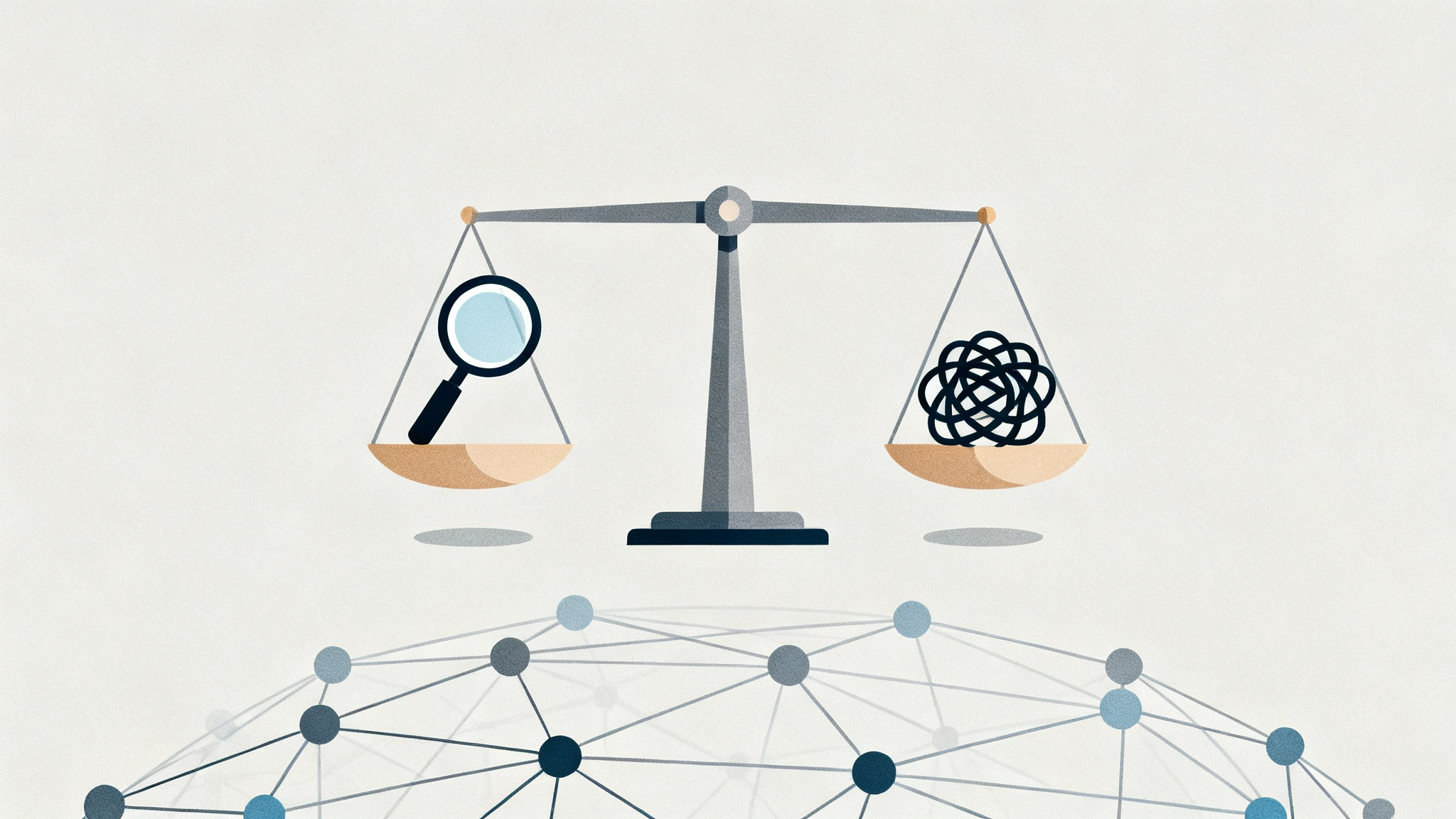
We tend to assume reasoning works like a judge weighing evidence and then reaching a verdict. In practice, it often works more like a defense attorney: the conclusion comes first, and the reasoning is hired afterward to defend it. Psychologists call this motivated reasoning — using your mental horsepower to justify a desired conclusion rather than to test it.
The trap is that intelligence amplifies this process. A person who is good with words and logic can generate more arguments, spot more loopholes, and dismiss more counter-evidence. Studies of political and scientific reasoning have repeatedly found that people with greater numeracy or knowledge are sometimes more polarized on contested topics, not less, because they are better equipped to defend their side.
- Confirmation bias: the tendency to seek out, favor, and remember information that supports what you already believe while quietly ignoring what does not.
- Motivated reasoning: reaching for the conclusion you prefer and then assembling the evidence to support it.
- Belief perseverance: holding on to a belief even after the original evidence for it has been discredited.
Expertise Does Not Transfer Between Fields
A brilliant surgeon is not automatically qualified to evaluate climate models, and a Nobel laureate in physics is not an authority on nutrition. Expertise is domain-specific — it is built from years of feedback inside a narrow area, and it does not export cleanly to unrelated subjects.
A famous real example is the chemist Linus Pauling, who won two Nobel Prizes and then spent his later years promoting megadoses of vitamin C as a near-cure for the common cold and cancer, claims that the evidence never supported. His genuine genius in chemistry gave his health claims an authority they had not earned. Audiences rarely make that distinction, which is exactly why misplaced expertise is so persuasive.
- The halo effect: when competence or status in one area makes us assume competence everywhere else.
- Overconfidence bias: the tendency to overestimate the accuracy of your own judgments, which is often strongest in high performers.
Beliefs Are Social Before They Are Logical
We like to imagine we form beliefs alone, by examining facts. In reality, beliefs are deeply tied to identity and belonging. Accepting a particular view can signal loyalty to a group you value; abandoning it can feel like a personal betrayal. This pressure operates on highly educated people just as strongly as on anyone else — sometimes more, because they have more reputation invested.
This is why two equally intelligent people can look at the same data and walk away more convinced of opposite conclusions. Each is, in part, defending who they are and which group they belong to. The reasoning is real, but it is working in service of identity.
- Identity-protective cognition: evaluating evidence in whatever way protects your group identity, rather than following it where it leads.
- Sunk cost fallacy: defending a belief because you have already invested time, money, or reputation in it.
- Normative conformity: privately doubting something but publicly agreeing to match the people around you.
What to Do About It
Simply knowing about these biases is not enough to switch them off — awareness alone has a weak track record. What works better is building external habits and checks that force your reasoning into the open, where it can be examined rather than assumed.
- Steel-man before you reject: state the strongest possible version of the opposing view, the version its smartest defender would recognize, before arguing against it.
- Run a pre-mortem: before locking in a belief, ask, “If I turned out to be completely wrong about this, what would the explanation be?”
- Hunt for disconfirmation: deliberately go looking for the evidence that would prove you wrong, not just the evidence that comforts you.
- Separate the claim from the person: ask whether an expert is speaking inside or outside their actual field before you grant them authority.
Key Takeaway
Bad reasoning is not a disease of the uninformed. Intelligence, expertise, and education can all be quietly redirected toward defending a conclusion you were always going to reach. The most reliable protection is not greater confidence in your own judgment — it is building systematic habits that drag your reasoning out where it can be tested, challenged, and, when necessary, changed.
Want to sharpen your thinking even further? Check out the Critical Thinking Toolkit — a comprehensive resource designed to help you reason better, spot biases, and make smarter decisions.