
Every day, bold news headlines pull us in—online, on our phones, and all over social media. These headlines are designed to get our attention, but honestly, they sometimes mislead or oversimplify things.
If you want to stay truly informed, you’ve got to think critically about news headlines—don’t just take them at face value.

Ask yourself: Who’s giving me this information? Is this a fact or someone’s opinion? Does the headline actually match what the article says?
Check more than one reliable source, especially when a headline feels like it’s telling you exactly what you want to hear. That’s usually a red flag.
Guides like 20 Questions To Help Students Think Critically About News are worth a look if you want to dig deeper.
Key Takeaways
- Critical thinking keeps you from falling for misleading headlines.
- Fact-checking and careful reading help dodge common mistakes.
- You get more confident with headlines when you use solid news evaluation habits.
The Importance of Thinking Critically About News Headlines
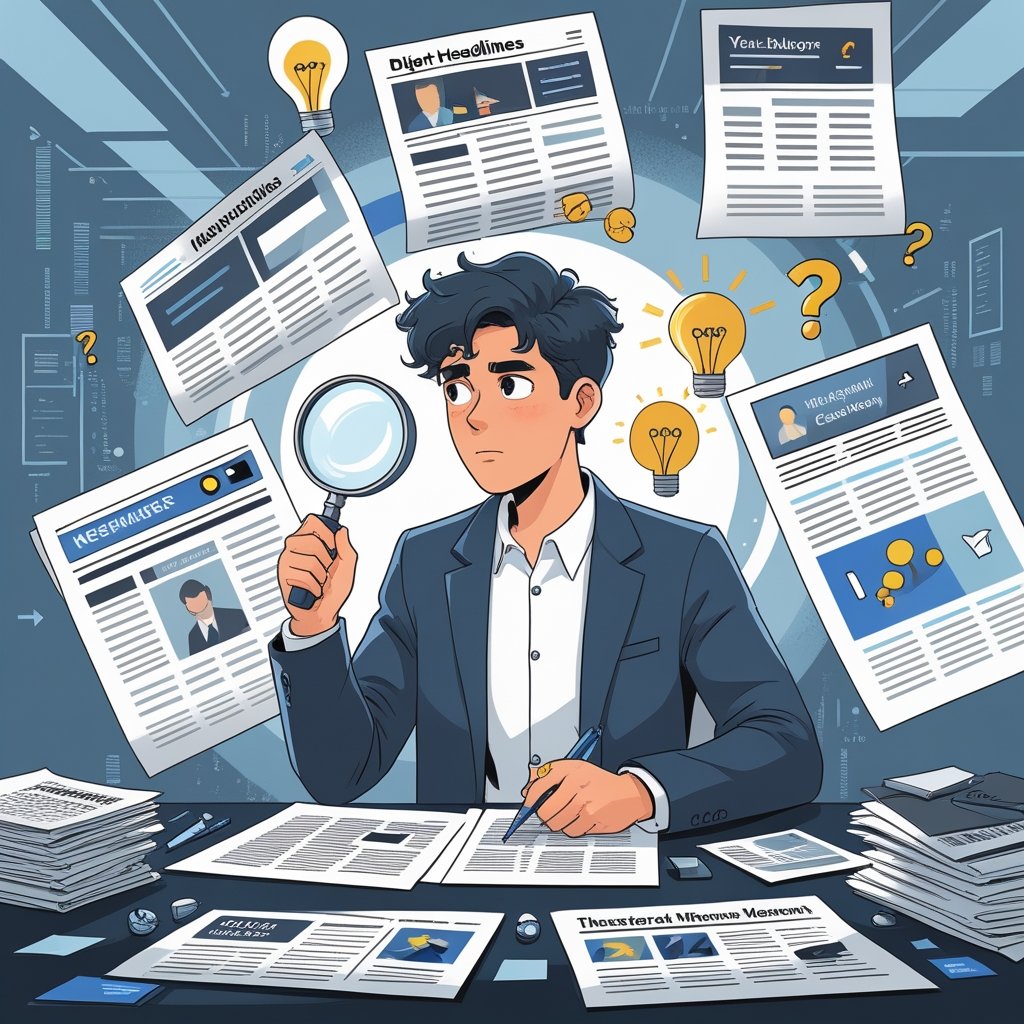
Headlines have a serious impact on how we make sense of news. They can shape what we believe or even how much we care about a topic.
That’s why it makes sense to question and double-check what headlines are telling us.
Influence of Headlines on Public Perception
Headlines usually shape your first impression of the news. Let’s be honest, a lot of people judge stories just by the headline and never read the full article.
If a headline misleads or only tells part of the story, you could walk away with the wrong idea. Some headlines exaggerate or skip key facts just to catch your eye.
A punchy headline might stir up emotions, even if the article itself is more balanced. When we don’t think critically, we might share or react to headlines that aren’t really accurate.
It helps to dig into the actual story to see if the headline holds up.
Role in Modern Journalism
These days, headlines are all about grabbing attention—everyone’s competing for clicks. Social media only makes it more intense.
Some outlets go for emotional, controversial, or quick headlines instead of accurate ones. Journalists have to balance informing people with the pressure to pull readers in.
It’s worth asking: Does this headline match what the article actually says? Is this fact or opinion? Who’s making this claim?
Media literacy matters. If you know the tricks, you’re less likely to fall for clickbait or falsehoods that spread fast online.
Impact on Societal Interest
Headlines steer what topics get talked about. When news keeps focusing on certain issues, people start discussing them more—even if those issues aren’t the most important.
This can shift public attention and even influence where resources go. For example, seeing constant headlines about crime can make people more afraid, even if crime rates are actually steady or dropping.
When headlines chase interest, they might ignore other important topics. Because headlines are so powerful, critical readers help keep society’s focus more balanced. That’s especially important now, with information moving at light speed.
Techniques for Critical Thinking When Evaluating Headlines
Seeing past flashy headlines takes a bit of practice and a sharp eye. Here are some ways to dig deeper and figure out what’s really going on.
Questioning Sources and Evidence
Start by asking: Who wrote this headline? What’s their background? Trustworthy headlines usually come from established news orgs or experts.
Be wary of anonymous writers or outlets with obvious agendas—they’re less accountable.
Look for evidence or facts in the article itself. If a headline makes a huge claim but doesn’t back it up with real data or quotes, that’s a red flag.
Cross-check big headlines with other credible sources.
A solid headline should tell you where the info comes from. If you see “Doctors warn of new disease,” the article should say which doctors or organizations. If it’s vague, be skeptical.
Recognizing Simplification and Bias
Headlines often make complicated stories sound simple, which can cut out important context. Sometimes they skip details or make things look black-and-white when they’re not.
Watch for loaded words that push a certain angle—like “disaster,” “failure,” or “miracle.” Those usually hint at bias.
It’s worth checking your own views, too. We all want to believe headlines that fit what we already think. Take a breath and look for biases in the story and in yourself.
Detecting Conflict and Sensationalism
A lot of headlines hype up conflict to grab your attention. Words like “versus,” “clash,” or “battle” can make things sound way more dramatic than they are.
Sensational headlines use big language, all-caps, or exclamation points. They want you to feel shocked or urgent, even if the story isn’t that wild.
If you spot an emotional or dramatic headline, pause for a second. Check out calmer headlines on other news outlets to see who’s stretching the truth.
Distinguishing Facts from Opinions
Some headlines sound like facts but are really just opinions. Watch for words like “best,” “worst,” or “should”—those usually tip you off that it’s a point of view.
Look for statements in the article you can actually verify, like numbers, dates, or events. Opinions don’t have solid evidence behind them.
Ask yourself, “Can I prove this true or false?” If you can, it’s probably a fact.
It’s smart to compare the headline to the first few lines of the article. If the headline makes a big claim but the story only quotes one person, you’re probably looking at opinion dressed up as fact.
Common Pitfalls in Headline Interpretation
Headlines shape how we see the news before we’ve even read the story. Simplification, emotional words, and cherry-picked facts can twist our understanding.
Misleading Headlines
A lot of headlines grab us by using words or phrases that don’t really match the facts. Sometimes, they blow events out of proportion or twist what happened.
This happens when headlines focus on drama or suggest causes the article doesn’t actually support. For example, you might see a headline claiming a product “cures” something, but the article just mentions an opinion or early study.
If you only scan headlines and skip the article, you could end up with the wrong idea. Always check the details and compare headlines across different news sources.
Learning to spot these tricks builds your critical thinking muscles. Here’s how to spot misleading headlines.
Cherry-Picked Information
Some headlines highlight just one fact or event out of a much bigger context. That’s cherry-picking.
It can make a story seem more important or shocking than it actually is. For instance, a headline might make a rare problem seem common or focus only on negative results from a balanced study.
This kind of reporting hides important background. People are more likely to believe a false impression when they only see part of the story.
Look for more facts in the article and notice if the headline leaves out key details. Journalists should aim for accuracy, but readers need to question what’s missing, too. Here’s why headlines must be accurate in fact and implication.
Emotional Manipulation
Some headlines are built to stir up feelings—fear, anger, excitement, you name it. They focus on conflict, threats, or scandals to get a reaction.
When we get emotional, we’re less likely to think things through or question the info. Emotional language can make issues seem bigger than they are, or push us to share stories without really understanding them.
These tricks work because emotional headlines get more clicks and shares, even if the article is pretty tame. Watch out for words like “shocking,” “outrage,” or “devastating.”
Slow down and check how the headline matches up with the article. Don’t let your emotions run the show. Research shows headlines can portray issues negatively and sway public opinion.
The Role of Journalistic Standards in News Headlines
Journalistic standards guide how newsrooms craft headlines that are accurate, fair, and responsible. Good editorial practices help protect readers from misinformation and keep headlines from misleading or oversimplifying.
Best Practices for Ethical Journalism
Ethical journalism starts with clear rules for handling stories. These standards demand honesty, accuracy, and fairness when writing headlines.
A headline should reflect the main point of the story without twisting facts or skipping important context. Journalists learn to steer clear of sensational language, exaggeration, or clickbait tricks.
Using transparent and reliable sources matters, too. Newsrooms often use checklists to review headlines, asking things like:
- Does the headline mislead or misrepresent events?
- Are all the key facts there?
- Is the wording neutral, not emotionally loaded?
Sticking to these guidelines helps keep public trust and avoids spreading rumors.
Fact-Checking and Editorial Oversight
Fact-checking is a must before publishing a headline. Editors and fact-checkers check claims and numbers to make sure they’re true and properly sourced.
If they can’t verify something, they leave it out of the headline. Editorial oversight means a team—writers, editors, sometimes legal folks—reviews each headline to spot mistakes or bias.
This helps keep headlines clear, honest, and in line with journalism best practices.
If newsrooms make mistakes, they usually publish corrections. That shows accountability and keeps things transparent with readers.
We’re bombarded with news from every direction these days. Building critical thinking skills and healthy news habits helps you figure out what’s credible and what’s just noise.
Developing Critical News Consumption Habits
Start by questioning headlines before you share or react. Look at the words used—are they accurate, or just trying to get a rise out of you?
Comparing stories from different sources can show you more facts and different angles. Check the original date, look for proof like quotes or links, and clear up any confusion.
Ask yourself, “Who wrote this? What’s their goal?” If a headline feels too wild to be true, read further into the article.
These habits help you sort fact from fiction, which is the heart of news literacy.
Sharing Accurate Information
Take a beat before you share a headline—don’t help rumors and false stories spread. Check the main facts in the story and look for real proof before posting.
Fact-checking sites are your friend if something seems off. If you find out a headline is false, let your friends or followers know.
Correcting mistakes quickly builds trust and makes social media a little safer for everyone. When you do this, you help others build better habits, too.
Being careful with news helps create a better-informed community and shows respect for the truth—which is a big reason why critical thinking is important for news media literacy.
Frequently Asked Questions
Critical thinking skills help readers check facts and judge the trustworthiness of news outlets. Staying alert while reading news can protect you from spreading false information or falling for misunderstandings.
What are the steps to evaluate the credibility of a news article?
Start by looking at who wrote the article and where it appeared. Reliable outlets usually name the author, cite sources, and focus on facts instead of just opinions.
Check if other trusted news sources are sharing the same story. Look for accurate details, balanced reporting, and evidence that supports the claims. If you want more on this, you can find helpful questions for evaluating news credibility.
Why is media literacy essential in identifying misinformation?
Media literacy teaches people to spot fake stories and recognize clickbait. With these skills, you’ll read headlines more carefully and know when it’s time to double-check information before believing it or sharing it with others.
How can students be taught to discern bias in news reporting?
Teachers can show students how to spot language that signals opinion instead of fact. It’s smart to ask if both sides of a topic are included and notice when certain voices are missing.
Talking about different news stories in class helps students see how word choice, images, or even what details get left out can change how readers feel about a topic.
What impact does critical thinking have on the consumption of media?
People who think critically tend to question headlines and don’t fall for sensational claims as easily. They’ll compare more than one source to get a fuller picture.
Critical thinking nudges readers to look past quick social media posts and actually read or watch the full story. This way, they’re less likely to jump to the wrong conclusion—something discussed in this thread about reading strategies.
In what ways can we assess the validity of sources cited in news stories?
Take a look at whether the sources are real experts or just anonymous people. Good news stories use expert quotes, data, or official reports.
It helps to see if those sources show up elsewhere or can be verified. Many trustworthy outlets share links or references, so you can dig deeper if you want—these guidelines for reviewing references might help.
How does the structure of a news report influence our understanding and perception?
The order of information in a news report really changes what stands out to us first. Headlines and those opening lines? They kind of set the tone and shape what we think right away.
Writers usually put the most important facts at the top. Details and background info come further down, which nudges us to focus on certain parts of the story more than others.